
Lower cost per kilometre
Electricity can deliver a lower energy cost per kilometre than diesel or CNG, especially for intensively used fleets charging at the depot.
Cut the cost per kilometre, extend vehicle life and accelerate decarbonisation, with solutions sized for the real routes of each operator.
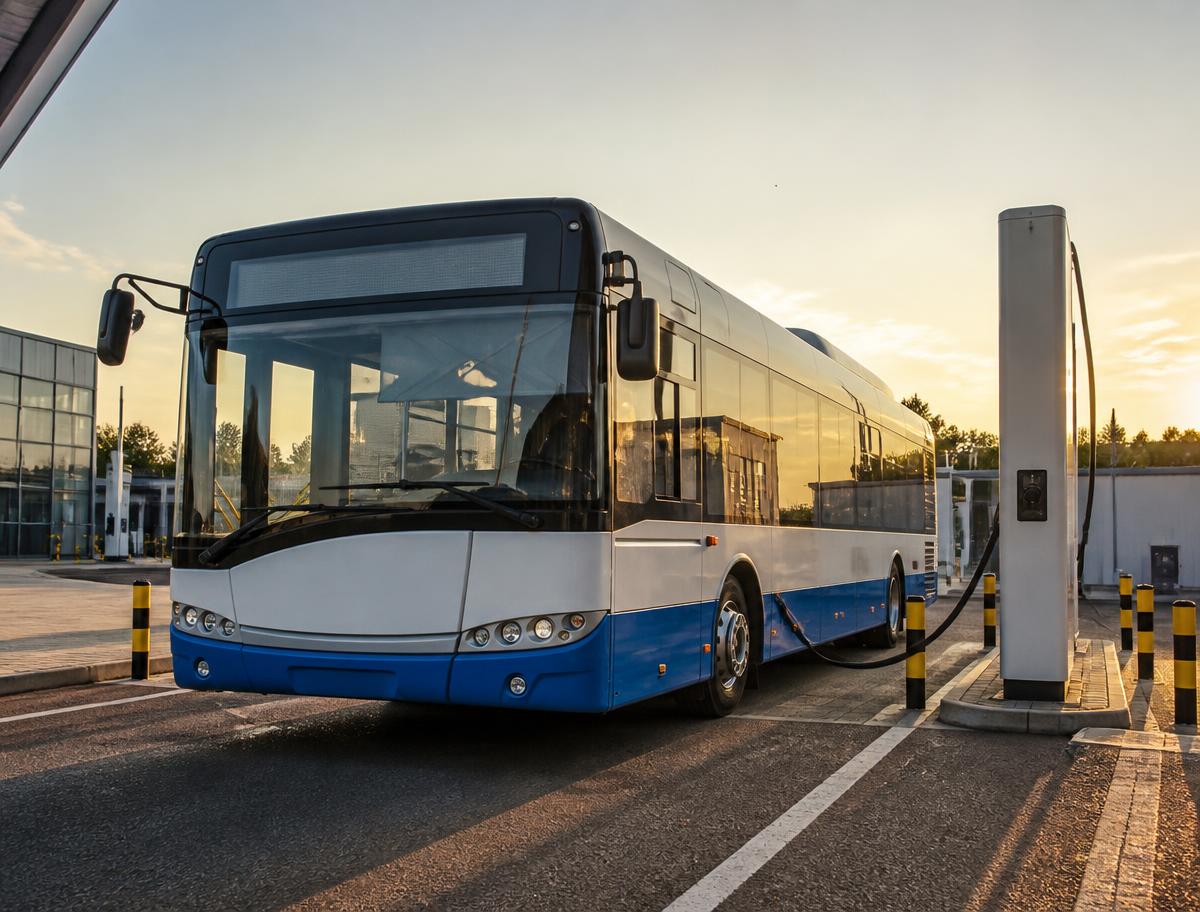
Electricity can deliver a lower energy cost per kilometre than diesel or CNG, especially for intensively used fleets charging at the depot.
The conversion removes the main combustion components: engine, gearbox, exhaust and emissions treatment.
The bus stops emitting pollutants while running, improving air quality in cities, terminals and boarding areas.
Electric drive means quieter, more comfortable journeys for passengers, drivers and local communities.
Retrofit extends the use of buses in good condition and avoids replacing the whole vehicle.
Regenerative braking recovers energy when slowing down, which is particularly efficient in urban stop-and-go operation.
Every project is sized from real route data: mileage, gradients, timetables and charging opportunities.
Regular routes, frequent stops and daily return to the depot make these vehicles especially suited to electrification.
These require detailed analysis of route, speed, gradients, timetables and charging opportunities.
Adjust your real operating data and see the estimated annual savings and payback.
Retrofit uses the value your current fleet still holds instead of requiring new assets.
Straight answers about the electric retrofit of heavy vehicles and machines.
We size the battery for the actual line. Most city and intercity services are covered with overnight charging.
Yes, so we include climate consumption in the sizing. Efficient heat pumps keep the impact limited.
Both. We keep the chassis and body and replace the drivetrain with an electric one.
Seats are preserved. Batteries are placed on the roof or at the rear, within the permitted weight limits.
Yes. The conversion meets European homologation and safety standards and is delivered with full documentation.
We calculate your current cost per kilometre and compare it with an electric operation adapted to your routes. Tell us the number of buses, fuel type, daily mileage and available infrastructure.